
Pediatric Dentistry At Smile Mantra
Compassionate Pediatric Dentistry for Your Little Ones
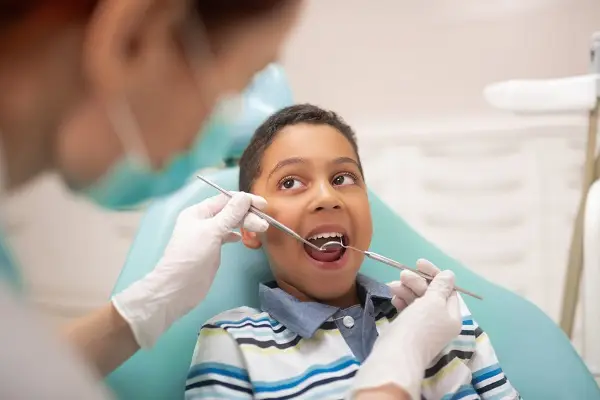
Pediatric dentistry is a specialized field focused on the unique dental needs of children, from infancy through adolescence. At Smile Mantra, our pediatric dentists are dedicated to providing expert care for your child’s teeth, gums, and overall oral health at every stage of their growth. We prioritize preventive care and education, helping children develop healthy oral hygiene habits that last a lifetime. Whether it’s the first tooth or the teen years, we’re here to ensure your child’s smile stays healthy and bright.
Key Aspects of Pediatric Dentistry
1. Infant Oral Health Care
- Early Dental Visits: The American Academy of Pediatric Dentistry (AAPD) recommends that children have their first dental visit by their first birthday or within six months after their first tooth erupts. Early visits help detect potential issues and provide parents with guidance on oral care for their infants.
- Teething and Eruption Guidance: Pediatric dentists offer advice on managing teething discomfort and monitor the eruption of primary (baby) teeth to ensure they are coming in properly.
2. Preventive Care
- Dental Cleanings and Exams: Regular dental cleanings and exams are essential for maintaining good oral health. Pediatric dentists clean children’s teeth, remove plaque and tartar, and check for any signs of cavities or gum disease.
- Fluoride Treatments: Fluoride helps strengthen tooth enamel and prevent decay. Pediatric dentists may apply fluoride varnish or recommend fluoride supplements based on the child’s risk of cavities.
- Dental Sealants: Sealants are thin protective coatings applied to the chewing surfaces of the back teeth (molars) to prevent cavities. They are especially beneficial for children who are prone to cavities.
3. Education on Oral Hygiene
- Brushing and Flossing Instructions: Pediatric dentists teach children and parents how to brush and floss effectively. They emphasize the importance of brushing twice a day and flossing daily to prevent cavities and gum disease.
- Dietary Advice: Proper nutrition is critical for oral health. Pediatric dentists educate parents and children about the impact of diet on dental health, advising on limiting sugary snacks and drinks that can lead to tooth decay.
4. Management of Dental Issues
- Cavity Treatment: Pediatric dentists treat cavities using fillings, crowns, or other restorative techniques. They use child-friendly approaches to make the experience as comfortable as possible.
- Space Maintainers: If a child loses a primary tooth prematurely, a space maintainer may be used to hold the space for the permanent tooth to grow in correctly.
- Orthodontic Assessment: Pediatric dentists assess the development of a child’s teeth and jaw to determine if orthodontic treatment will be needed. Early detection of bite problems can lead to more effective treatment.
5. Behavior Management
- Child-Friendly Environment: Pediatric dental offices are designed to be welcoming and non-threatening, often featuring bright colors, toys, and games to help children feel at ease.
- Behavioral Techniques: Pediatric dentists are trained in techniques to manage anxiety and fear in children. They use positive reinforcement, tell-show-do methods, and sometimes sedation to ensure a stress-free experience.
6. Special Needs Dentistry
- Care for Children with Special Needs: Pediatric dentists are experienced in providing dental care for children with special healthcare needs. They are skilled in accommodating various physical, emotional, and developmental conditions to ensure effective treatment.
7. Emergency Care
- Dental Emergencies: Pediatric dentists provide urgent care for dental emergencies such as knocked-out teeth, fractured teeth, or severe toothaches. They are equipped to handle these situations with prompt and effective treatment to alleviate pain and prevent further damage.
8. Oral Habit Counseling
- Thumb Sucking and Pacifier Use: Pediatric dentists offer guidance on breaking habits like thumb sucking and prolonged pacifier use, which can affect the alignment of teeth and the development of the jaws.
- Bruxism (Teeth Grinding): For children who grind their teeth, pediatric dentists may recommend nightguards or other interventions to protect their teeth and reduce the risk of damage.
Importance of Pediatric Dentistry
Pediatric dentistry is essential for ensuring that children develop healthy teeth and gums, as well as positive attitudes toward dental care. Through preventive care, education, and specialized treatment, pediatric dentists help children achieve and maintain optimal oral health from infancy through adolescence. By addressing the unique needs of young patients and working closely with parents, pediatric dentists play a crucial role in promoting a lifetime of healthy smiles.